
How to Officiate a Wedding in Minnesota
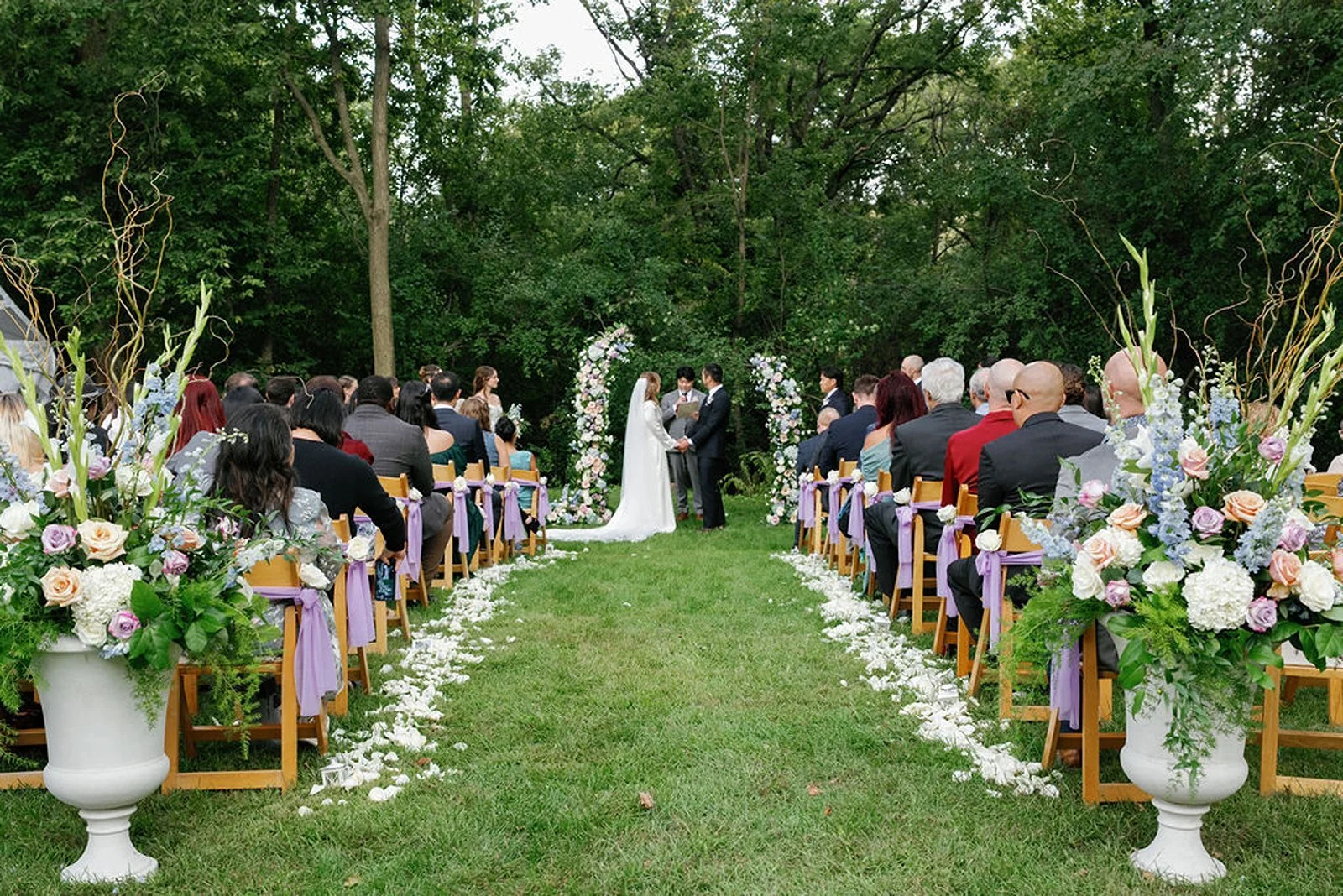
Photo by: Viki Plo Photography
As Minnesota wedding coordinators, we’ve worked countless weddings where the ceremony is officiated by a family member or friend. Oftentimes, it’s their first time filling this special role! This causes our couples (or their designated friend or family member) to ask us, “how do you officiate a wedding in Minnesota?”.
Having someone you know stand in as your officiant can be incredibly meaningful and delightful, but we want to ensure they arrive prepared! Here is what you need to know if you have a friend or family member officiating your wedding.
How to Legally Officiate a Wedding in Minnesota
The process to legally become a wedding officiant in Minnesota differs based on the county. All wedding officiants must register with a county level government office before performing a wedding ceremony. Once you are registered in one county, you have the authority to perform marriage anywhere in Minnesota. So prepare to become your friend group’s go-to officiant!
One thing that is consistent throughout all of Minnesota is that officiants must be at least 21 years of age.
For more specific registration steps, you will need to contact your appropriate county office. The Minnesota Official Marriage System website should provide more information on which office you need to contact.
Your next steps will vary depending on the county, but expect to fill out the appropriate forms, present an ID, and pay a fee. As long as there are no complications, your application should be on the road to being approved within the next few days or weeks!
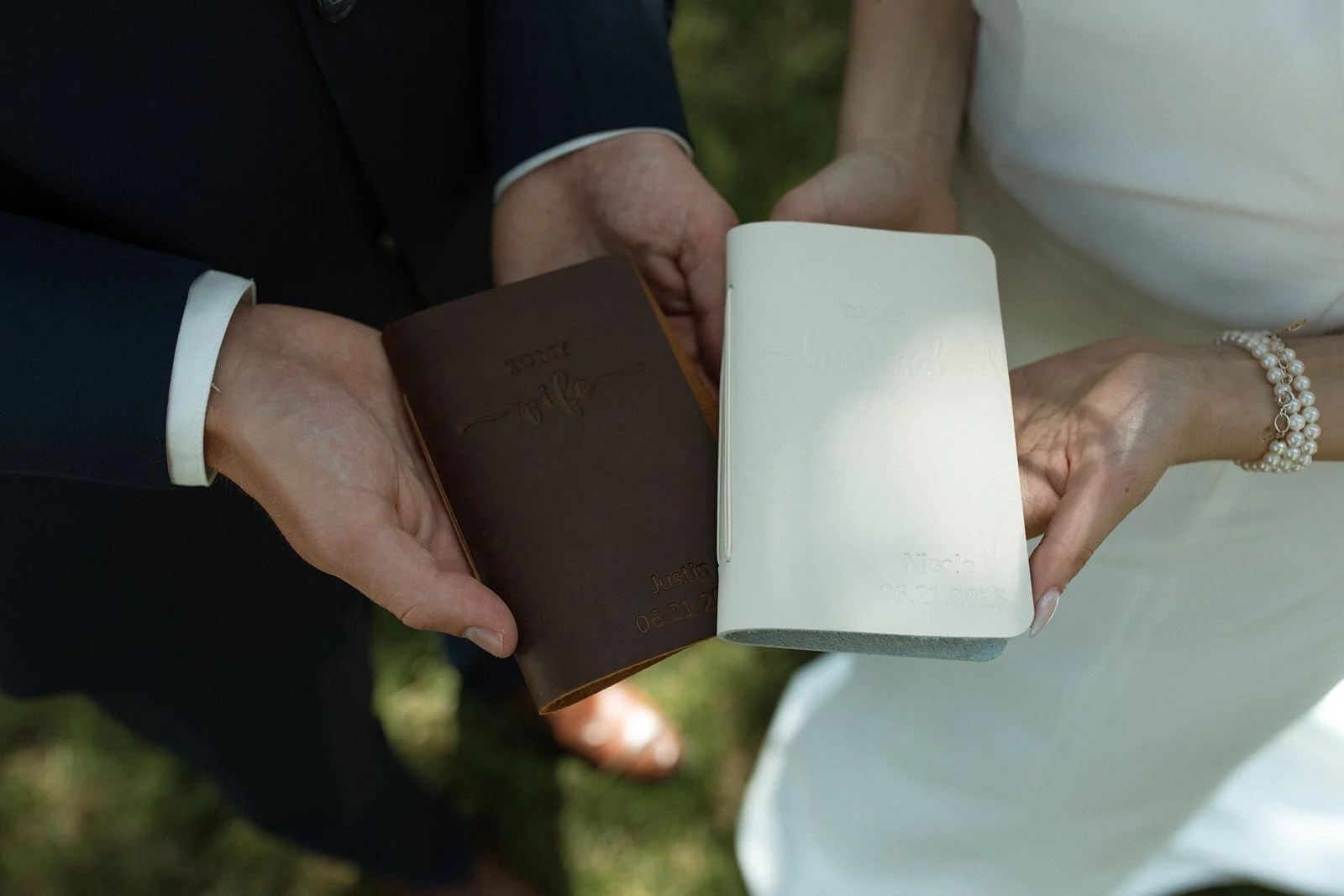
Photo by: Karissa Lenore Photography
Scripts for Officiating a Wedding Ceremony
While there are many templates and services available to help your friend or family member create their wedding ceremony script, we know it can be overwhelming. As a baseline there are a few things you’ll want to cover in your wedding ceremony script as a first time officiant.
Start with the opening remarks. This can be before the wedding party enters or after, depending on the preference of the couple. The opening remarks usually include welcoming the guests, announcing whether photos are allowed, and asking guests to silence their phones.
The opening remarks will be followed by the processional (which is when the wedding party walks down the aisle). As the bride enters, you may ask guests to “please rise”, which sometimes they do automatically. After the bride enters, the guests will be standing and it’s very important that you ask the guests to take a seat (or they may stand the entire time)! This is the number one mistake that we see first time officiants make.
Next up is the bulk of your duties — the message. The couple will likely share opinions on what they would like you to talk about, but this is truly customizable! You can talk about the couple’s story, talk about why this day is so special, or read a poem/excerpt that’s important to the couple. The couple may also choose to include a reading by a designated reader. If there will be a reader, make sure to bring an extra copy of their reading and practice what mic they will read into.
The couple will then say their vows to one another. The couple may choose to repeat traditional vows said by the officiant or read personal vows they have written to each other. You may need to hold the microphone for them to read into, but otherwise this part is smooth sailing for the officiant!
Some couples also like to include a “unity symbol” which is some sort of act of “coming together”. Examples include lighting a candle, tying strands of cords, or pouring colored sand. The groomsmen may need to move out of the way, so the couple has room during this time. Don’t miss our blog post that details a variety of unity symbol options! If the couple opts to do a Unity Symbol, they may choose to sign the marriage license at this time as well.
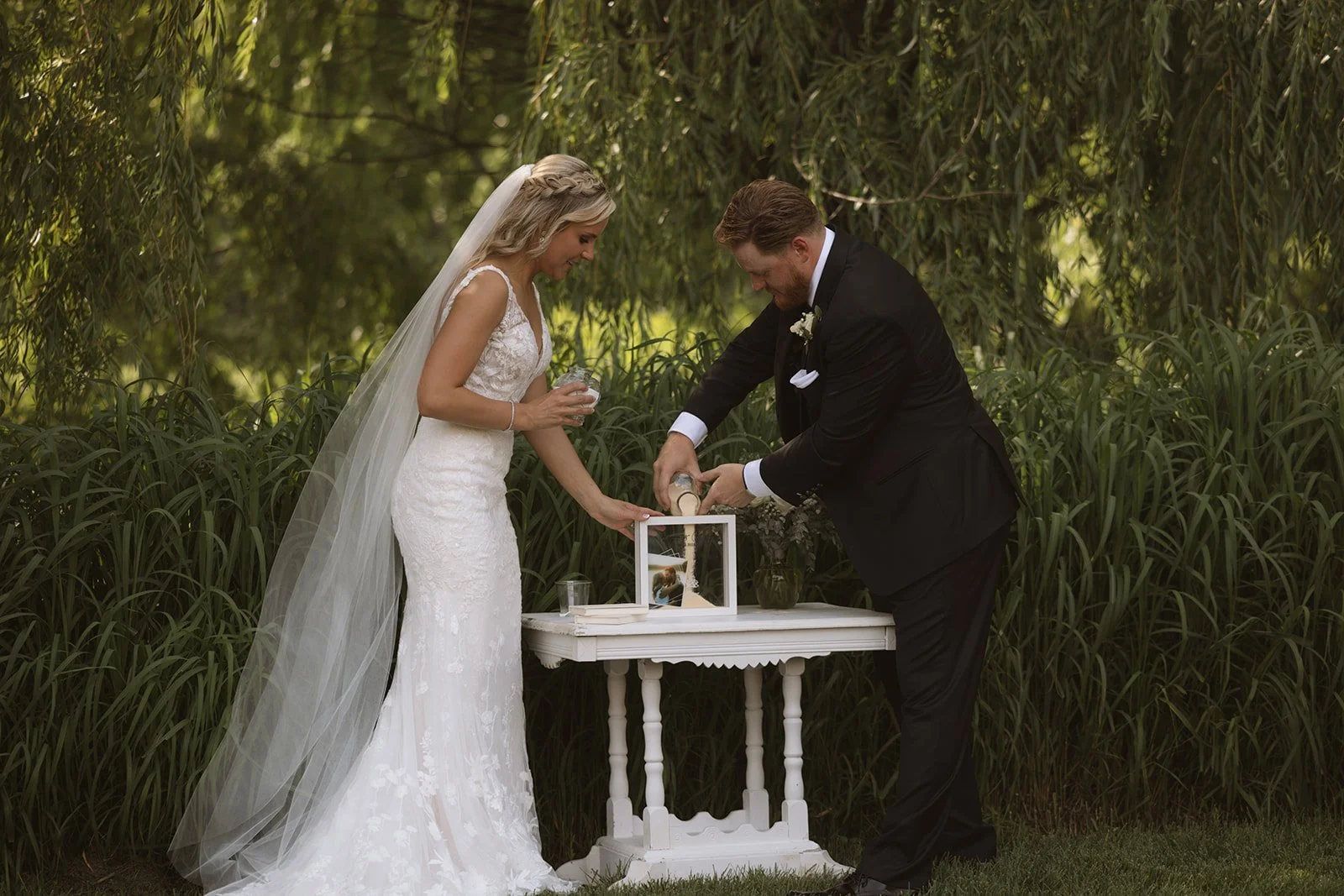
Photo by: Cait N'Her Camera
Then comes exchanging of the rings. It is helpful to practice how the rings are being handed off to the couple, sometimes this is via the best man or ring bearer. This will be followed by the pronouncing the couple as married. This is the fun part! At this point, if the couple is doing any bubbles or throwing dried flowers or confetti, make sure to ask guests to get them out and ready. As soon as the couple is pronounced, step off to the side and bring the mic stand with you, (so you aren’t the creeper in the background of their kissing photo!) and let them have their moment. You crushed it.
Now is a good time to make any additional announcements about cocktail hour, or about the couple’s receiving line. Normally the DJ will dim the music as you make this announcement.
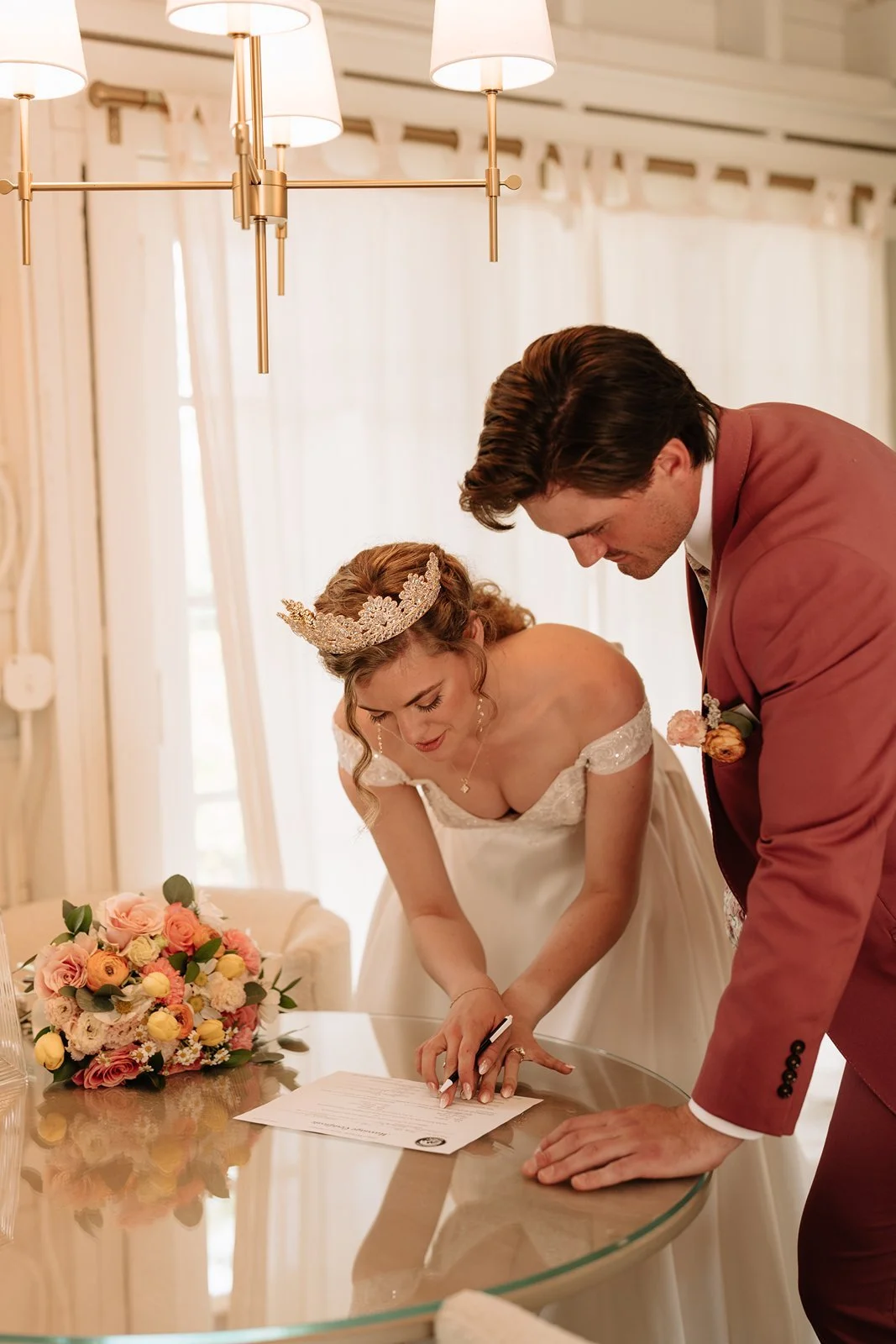
As you exit, you will head to the designated location to sign the marriage certificate (unless it was signed beforehand or during the ceremony). You will need two witnesses, over the age of 18, to sign the marriage license. Traditionally done by the maid of honor and best man. Don’t forget to decide who will be in charge of sending the marriage license in (normally this is the officiant) and make sure this is done within 5 days of the ceremony.
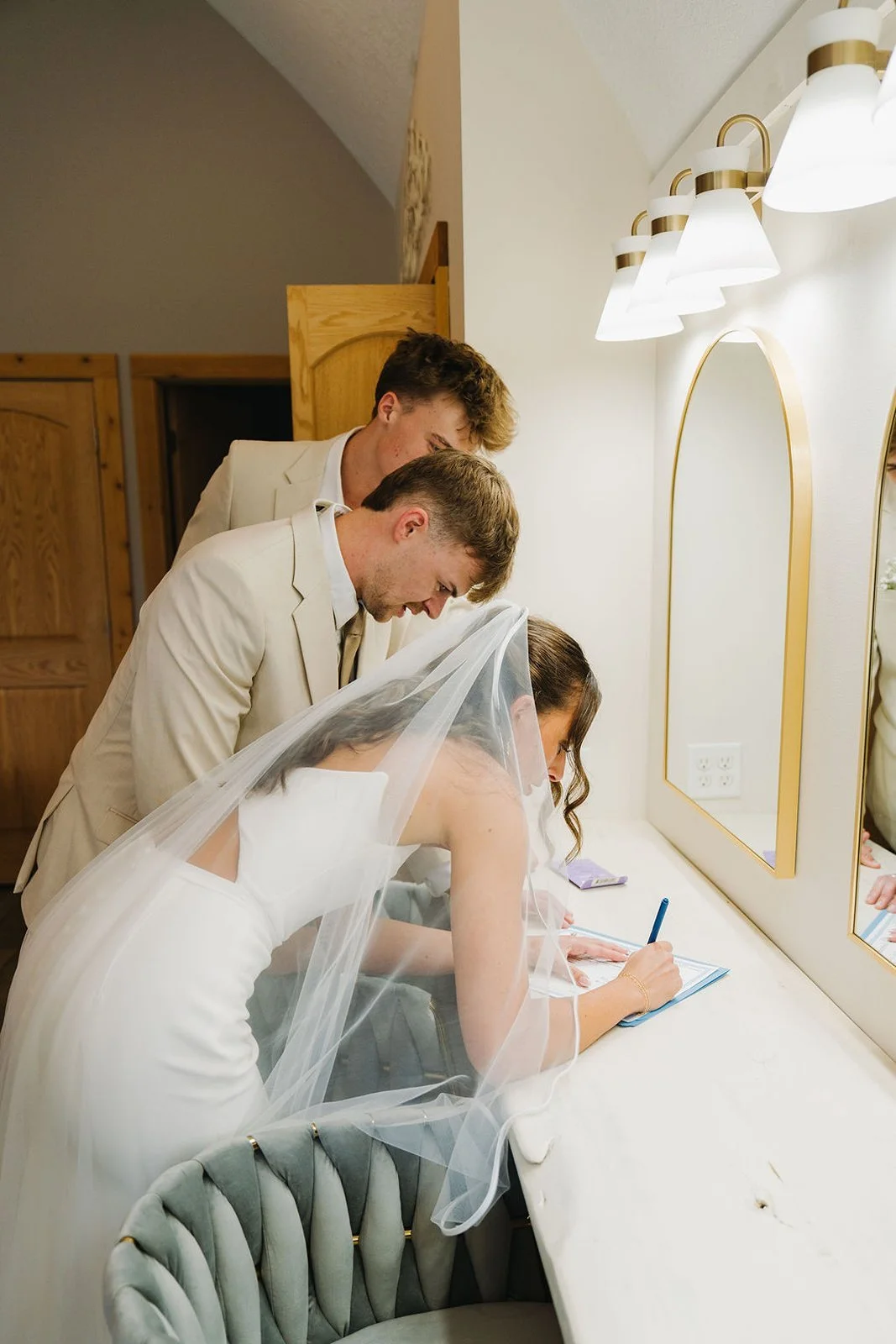
Photos by: Turning Paiges Photo / Beyond the Pines
Wedding Ceremony Processional Order
The order of the wedding ceremony processional can vary based on the members of the wedding party and family dynamics. Generally speaking, you can expect something similar to the following:
Officiant
Grandparents (if included).
* Sometimes escorted in by an usher, groom or family member. Make sure to check with grandparents if they are comfortable walking in.Groom with his parents
* May need to circle back to escort the bride’s mom inMother of the bride with her escort
* Could be the groom, a son, another family member, or she could be walking with the bride laterBridesmaids/Groomsmen
Maid of Honor/Best Man
Ring bearer(s)
Flower girl(s)
The bride with her dad (or both parents)
Please note that ladies traditionally walk on the left side of the men. Oh, and ladies, don’t forget to hold your flowers low, think knuckles to belly button!
Traditionally once the wedding party gets to the front, the bride/bridesmaids stand on the left side and the groom/groomsmen stand on the right. The couple may choose to have their family sit on the same side as them in the first row, or on the opposite side, so they can see their facial expressions.
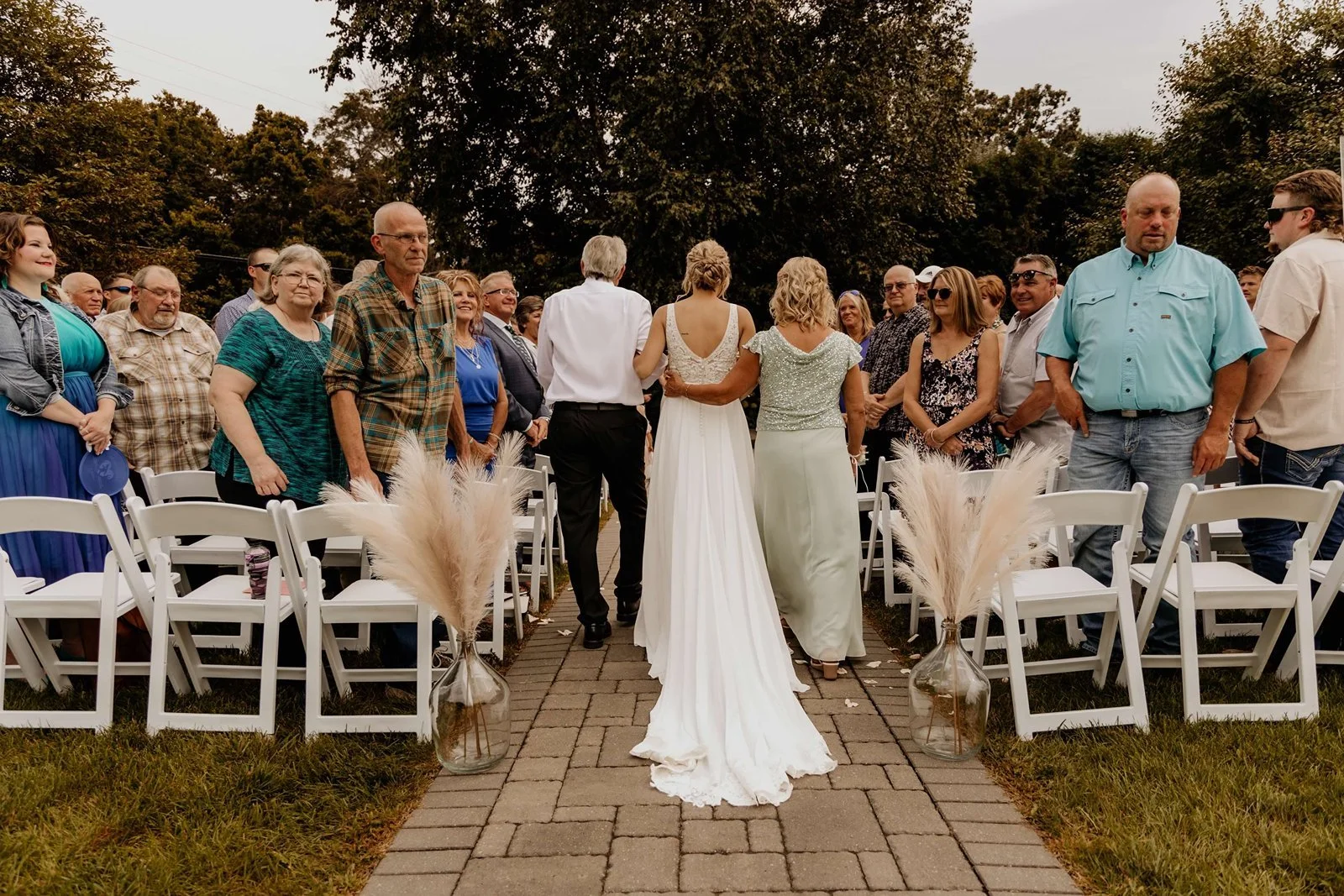
Photo by: Alysha Rose Photography
Common Questions
What should a wedding officiant wear?
This should be discussed with the couple directly so that you align with their preference and formality. Oftentimes you will wear a nice suit or simple dress.
How does the officiant practice before the ceremony?
We recommend practicing your speech out loud multiple times prior to the wedding day. You can practice alone, but it is also best to rehearse in front of another person. That way you get practice speaking in front of people and have the opportunity to receive feedback.
On the wedding day (or the night before at the rehearsal dinner), you will likely do a brief rehearsal with the entire wedding party present. Our coordinators always do a day-of rehearsal when possible. It just takes about 15 mins and helps everything run smoothly!
What does the officiant need to bring?
This will vary depending on what the couple is bringing, but the following items will need to be present on the wedding day:
Ceremony script
Any readings
The marriage license
A black pen
Personal items (like tissues)
It is often easiest to house these items in a binder or folder if possible.
How long should the ceremony be?
This can vary, but typically lasts between 20 and 35 mins.
Do we need a backup plan?
Unlike pros who have contingency plans, friends or family members don’t have these systems in place. While we hope to never be faced with this situation, there is the potential that the individual gets sick or has travel issues, for example. To combat this, you may ask another friend or family member to get ordained and be ready to step in, or find out if any of your guests happen to be ordained already.
Photo by: Violet Cristina Photography
Getting Professional Assistance for Your Friend or Family Member
One of our favorite professional wedding ceremony officiant companies to work with is Positively Charmed. Owner Leslie is a seasoned wedding officiant in Minnesota who also offers services to help engaged couples and their friend/family member officiant prepare for the big day.
In her New Officiant Preparation Ceremony Consult, you can phone a professional friend! She’ll cover an abundance of topics, but some examples include:
Ceremony outline and writing guidance
The process to making everything legal
The orchestration of your processional
How to handle difficult decisions and family dynamics
Microphone tricks
Readings, vows, and unity rituals
Having a friend or family member officiate your wedding can be one of the most personal and memorable parts of your day if they feel prepared and supported. With a clear understanding of Minnesota’s legal requirements, a thoughtfully crafted ceremony script, and a solid plan for the day itself, first-time officiants can step into this role with confidence. And if your officiant wants extra guidance, leaning on an experienced professional can make all the difference.

Photo by: Vick Photography
Whether you’re planning every detail yourself or bringing in a little expert support along the way, a well-prepared officiant helps ensure your ceremony is seamless, meaningful, and truly unforgettable. If you have any questions, just send us a message. Our team is happy to provide professional input on your wedding day plans!
Creatively written by: Hope Konkol